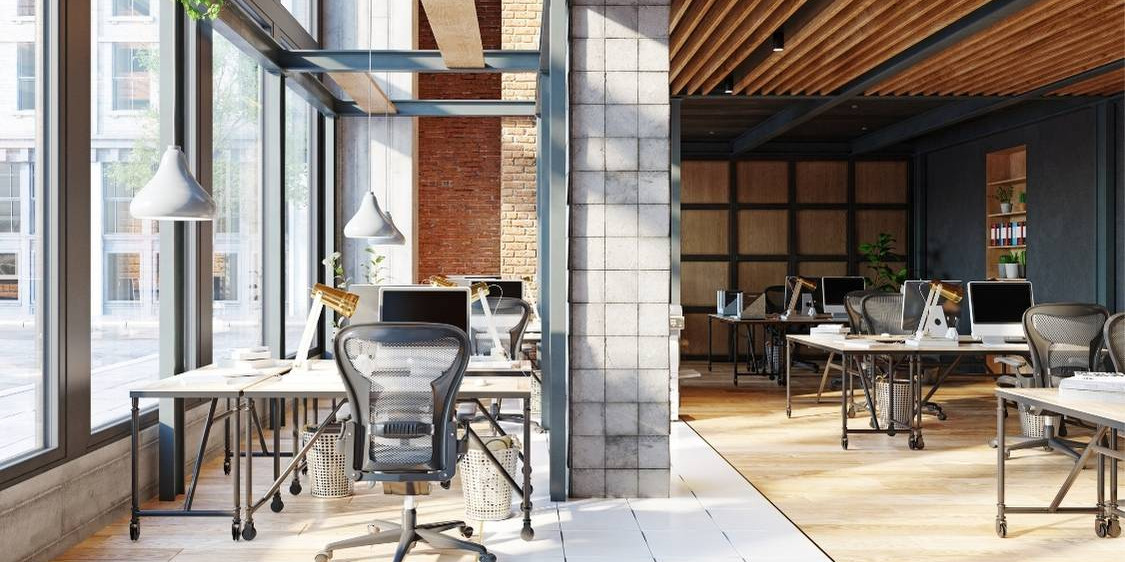
The Blank Slate: More Than Just a Construction Project
When a company decides to build a workspace from the ground up, they aren’t just hiring architects and contractors; they are embarking on a deep dive into their own identity. Unlike moving into a pre-furnished suite where you adapt to existing walls, building from scratch forces every stakeholder to answer a fundamental question: What do we actually care about?
At WBY Space, we believe that a building is a living manifesto. Every choice made during the design and construction phase—from the placement of the windows to the acoustic quality of the meeting rooms—tells a story about what the organization prioritizes. If you want to know what a company truly values, look past their mission statement on the website and look at the floor plan of their new headquarters.
The Intentionality of Spatial Layout
The layout of a new building is the most direct reflection of a company’s internal hierarchy and communication style. In a ground-up build, you have the freedom to decide who sits where and how they interact. This reveals whether a company truly values transparency or if it still clings to traditional silos.
Privacy vs. Collaboration
If a company allocates 70% of its floor plate to open-concept collaborative zones but leaves no room for quiet, focused work, it sends a clear message: we value the appearance of innovation over the reality of deep work. Conversely, a space that balances vibrant social hubs with soundproofed pods demonstrates a respect for diverse cognitive needs and employee autonomy. Building from scratch allows you to choose exactly where that balance lies.
The Location of Leadership
Where is the executive suite? In many modern builds, leadership offices are placed in the center of the floor rather than the corners, or they are eliminated entirely in favor of hot-desking. These choices aren’t just about saving space; they are practical applications of a value system that prioritizes accessibility and flat management structures.
Budget Allocation as a Value Map
In any construction project, the budget is finite. Where the money goes reveals the company’s true heart. When you build from scratch, you have to make hard choices between aesthetics, infrastructure, and amenities. These decisions provide a transparent look at what the organization considers an ‘essential’ investment.
- The Client Experience: Does the majority of the budget go into a grand, marble-clad lobby and high-end boardrooms? This suggests a company that values external perception and high-stakes deal-making.
- The Employee Experience: Is the budget diverted toward high-quality ergonomic furniture, a state-of-the-art gym, or a fully-equipped kitchen? This indicates a focus on retention, wellness, and the daily reality of the workforce.
- Infrastructure and Tech: If a company invests heavily in invisible ‘smart’ systems—like high-speed fiber, advanced air filtration, and automated lighting—they are signaling a commitment to long-term efficiency and environmental responsibility over short-term flashiness.
Sustainability: A Performative or Core Value?
Building from scratch is the ultimate test of a company’s commitment to the environment. It is easy to put a recycling bin in a rented office; it is much harder and more expensive to install geothermal heating or greywater recycling systems in a new build. When a company opts for sustainable materials and energy-efficient architecture, they are making a long-term financial commitment to their environmental values.
Future-Proofing and Adaptability
A company that values growth and resilience will design a space that can evolve. This means installing modular walls, flexible power grids, and scalable technology. Choosing a ‘fixed’ design might be cheaper today, but it suggests a static mindset. A ‘flexible’ build reveals a company that is confident in its future and ready to adapt to whatever the market throws at it.
How to Align Your New Build with Your Mission
If your organization is planning to build or extensively renovate a space, use the process as a diagnostic tool. Here are practical steps to ensure your new environment reflects your true values:
- Define Your Non-Negotiables: Before meeting with an architect, list three cultural values that must be physically represented in the building (e.g., radical transparency, radical focus, or radical hospitality).
- Audit Your Daily Workflow: Don’t build for the company you want to be in ten years; build for the work your people are actually doing today, while leaving room for that growth.
- Involve the End-Users: If you value ’employee voice,’ include staff in the design committees. Their feedback will often highlight practical needs that executives might overlook.
- Watch the ‘Veneer’ vs. ‘Function’ Ratio: Ensure that the quality of the spaces where employees spend 8 hours a day matches the quality of the spaces where clients spend 30 minutes.
Conclusion: The Space is the Message
Building a workspace from scratch is a rare opportunity to bridge the gap between who a company says they are and how they actually function. It strips away the excuses of ‘making do’ with a previous tenant’s layout and leaves only the choices made by the current leadership. When the dust settles and the keys are handed over, the resulting building isn’t just a place to work—it is a three-dimensional representation of the company’s soul. By approaching a new build with intentionality, businesses can create environments that don’t just house their teams, but actively empower their mission.
Related Posts
Why we are finally finding a new sense of purpose in old buildings
Discover why modern businesses are…
The Strategic Rise of Virtual Office Solutions for Modern Business Expansion
Explore the strategic rise of virtual…