The Soul of the Structure: Beyond Mere Function
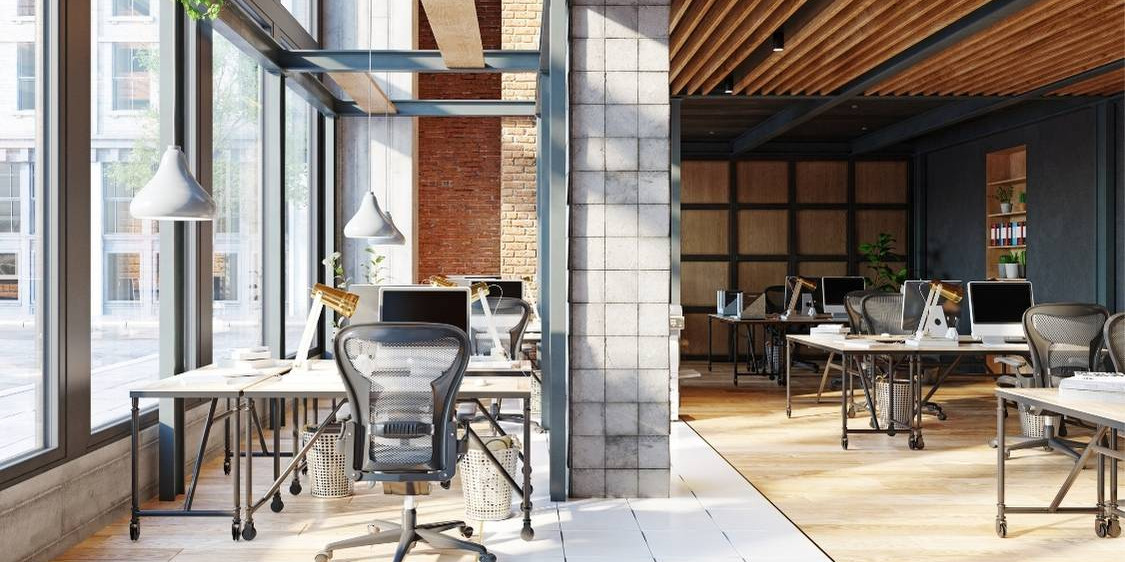
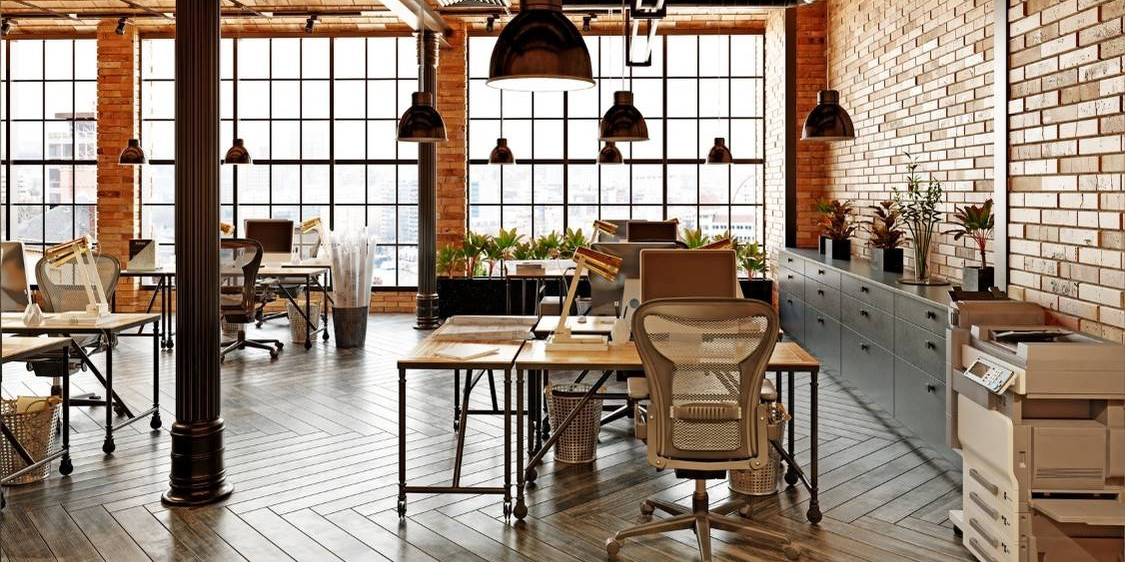
For decades, the narrative of progress in the commercial world was written in glass and steel. To be successful was to occupy the newest, tallest, and most sterile skyscraper on the block. We equated modernity with the absence of history, believing that a blank slate was the only way to foster innovation. Yet, as we navigate the complexities of the 21st-century workforce, a quiet revolution is taking place. We are looking backward to move forward, finding a profound sense of purpose in the weathered brick, exposed timber, and high ceilings of old buildings.
This shift isn’t merely an aesthetic trend or a nostalgic whim. It is a reflective realization that our work environments significantly impact our psychological well-being and our sense of belonging. An old building carries a weight—a physical manifestation of time—that a brand-new construction simply cannot replicate. When we step into a refurbished warehouse or a converted textile mill, we aren’t just entering an office; we are entering a story.
A Connection to Continuity in a Fragmented World
In our digital-first era, much of our daily lives feels ephemeral. Our data lives in the cloud, our meetings happen in pixels, and our communications are instantaneous and fleeting. This lack of tangibility has created a collective hunger for something grounded. Old buildings offer a sense of continuity. They remind us that while industries change and technologies evolve, the human drive to create, collaborate, and build remains constant.
The Patina of History
There is a specific beauty in the ‘patina’ of an old workspace. The worn floorboards and the imperfections in the masonry tell a tale of resilience. For a modern startup or an established firm, there is a certain poetic alignment in occupying a space that has already survived economic shifts and cultural transformations. It suggests that the business, too, is built to last. This architectural integrity provides a backdrop of stability in an otherwise volatile market.
Why Modern Professionals Crave Character
The modern worker is no longer satisfied with a cubicle in a fluorescent-lit box. We have moved past the era of the ‘corporate drone’ and into an age where identity and environment are inextricably linked. People want to work in spaces that feel authentic. The ‘character’ of an old building—its odd corners, its original windows, its echoing hallways—provides a sensory experience that stimulates creativity.
Reflective design acknowledges that innovation doesn’t happen in a vacuum. It happens in spaces that provoke thought. When we sit at a desk surrounded by century-old brickwork, we are subtly reminded of the craftsmanship of the past. This encourages a higher standard of work in the present. We find ourselves asking: If this building was crafted with such care, shouldn’t my own contributions be equally deliberate?
Sustainability as a Philosophical Choice
Beyond the emotional and aesthetic draw, there is a deeper ethical reflection at play. The most sustainable building is the one that is already standing. In an age of climate consciousness, the act of adaptive reuse is a powerful statement of intent. It is a rejection of the ‘disposable’ culture that has dominated commercial real estate for too long.
By choosing to inhabit and modernize an old structure, businesses are participating in a form of environmental stewardship. This choice resonates deeply with a workforce that values corporate social responsibility. It isn’t just about saving energy; it’s about respecting the energy—the ’embodied carbon’—that was invested in the building decades ago.
The Benefits of Breathing New Life into Old Frames
- Authentic Branding: Old buildings provide a unique identity that helps a brand stand out in a sea of generic office parks.
- Architectural Inspiration: High ceilings and large windows, common in older industrial builds, promote better airflow and natural light.
- Emotional Well-being: Historic environments often feel more ‘human-centric’ than their high-tech, clinical counterparts.
- Community Integration: Preserving a local landmark fosters a stronger connection between a business and its surrounding neighborhood.
Balancing Heritage with Smart Technology
Finding purpose in old buildings does not mean living in the past. The true magic happens at the intersection of heritage and innovation. At WBY Space, we believe that a smart business environment is one that honors its roots while embracing the future. This means integrating high-speed fiber optics into hidden conduits, installing smart climate controls that respect original ventilation, and creating flexible layouts within rigid historical shells.
This duality—the old and the new—reflects the modern professional’s life. We are tech-savvy and forward-looking, yet we are increasingly protective of our history and our humanity. A workspace that reflects this balance feels right. It feels purposeful. It allows us to use the tools of tomorrow while standing on the solid foundations of yesterday.
Conclusion: The Future is Reclaimed
As we look toward the future of commercial property, it is clear that the ‘new’ will no longer be defined by the date of construction, but by the depth of the experience. We are finally finding a new sense of purpose in old buildings because they remind us of who we are. They offer us a sanctuary of substance in a world of shadows. In the silence of an old beam or the texture of a stone wall, we find the inspiration to build something that might, one day, be worth preserving for those who come after us.